

The buzz around Artificial Intelligence (AI) isn’t just hype anymore; it’s the foundation of a real-world transformation. As we look ahead to 2025, the story isn’t about AI replacing people, but rather becoming our most powerful partner. This isn’t the future arriving sometime down the road—it’s starting right now, fundamentally changing how we innovate, work, and even think.
Beyond Automation: AI as a True Productivity Partner
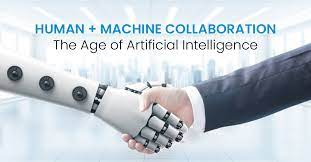
A common misconception is that AI is just a fancy automation tool. While it certainly handles repetitive tasks—like sifting through mountains of data or managing initial customer chats—the real shift in 2025 is the move toward agentic platforms.
Think of an AI agent as a digital collaborator. These tools are getting smarter at handling complex, multi-step tasks that traditionally required human reasoning. For instance, in finance or accounting, AI agents aren’t just filing documents; they’re connecting fragmented data, flagging cash flow issues before they become a problem, and generating specific, actionable recommendations for human managers. This frees up human workers to focus on strategic thinking and client relationships—the parts of the job that truly create value.
- Original Insight: This shift means the most valuable employee isn’t the one who can process the most spreadsheets, but the one who can ask the best questions and interpret the complex insights the AI provides.
The Business Optimization Phase
Many companies spent the last few years simply experimenting with AI. They tried a chatbot here or a generative tool there. 2025 is the year the corporate world stops dabbling and starts optimizing.
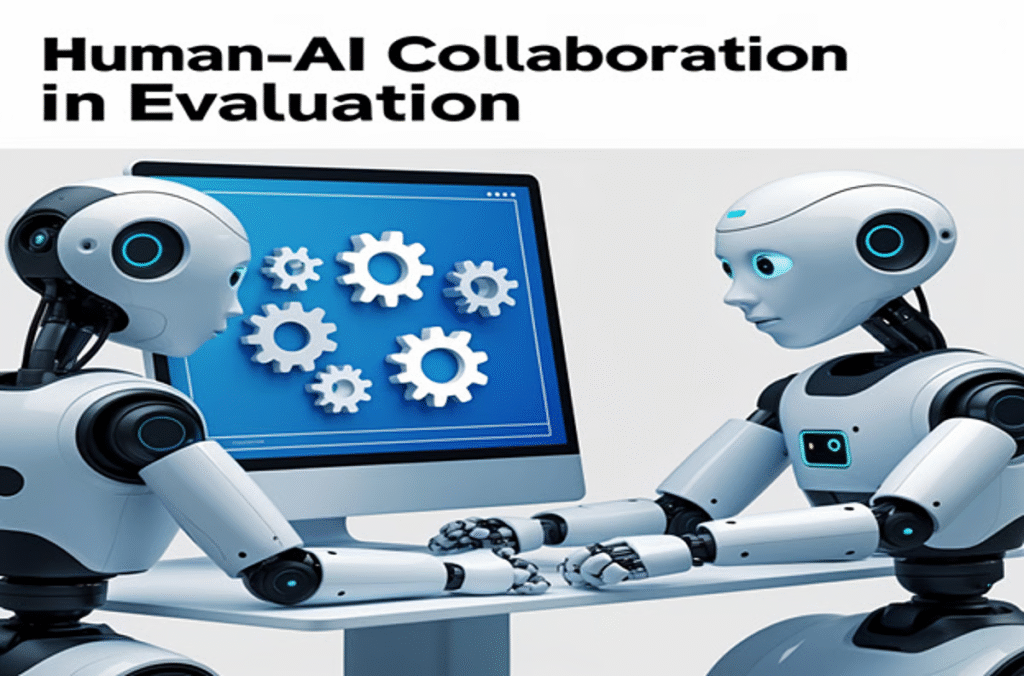
This means businesses are moving beyond just implementing AI and focusing on how to get the maximum return on investment (ROI). They’re asking critical questions: Are we using the right model for the right task? Is our infrastructure set up to handle this efficiently? This intense focus on optimization means less wasted resources and a faster path to measurable business impact. From multimodal models that handle text, audio, and images to advancements that slash inference processing time, the tech is becoming leaner, faster, and more cost-effective.
Breaking Down Silos: Democratizing Innovation
One of the most exciting shifts is how AI is helping to tear down departmental walls. Generative AI tools are becoming so integrated into our daily software—like email, documents, and spreadsheets—that they are effectively democratizing access to advanced capabilities.
When AI can handle routine tasks for everyone, from a marketer drafting ad copy to an HR specialist creating training materials, it changes the flow of work. People suddenly have more time to dedicate to creative, human-led projects. This massive reduction in “busy work” fosters unexpected breakthroughs and collaboration across teams. The barrier to entry for innovation drops dramatically when you have a powerful digital assistant embedded in every tool you use.
Navigating the Human Challenges: Ethics and Regulation
As AI rapidly advances, so too does the need to address the human impact. 2025 is seeing a major focus on the dual challenges of data privacy and regulation.
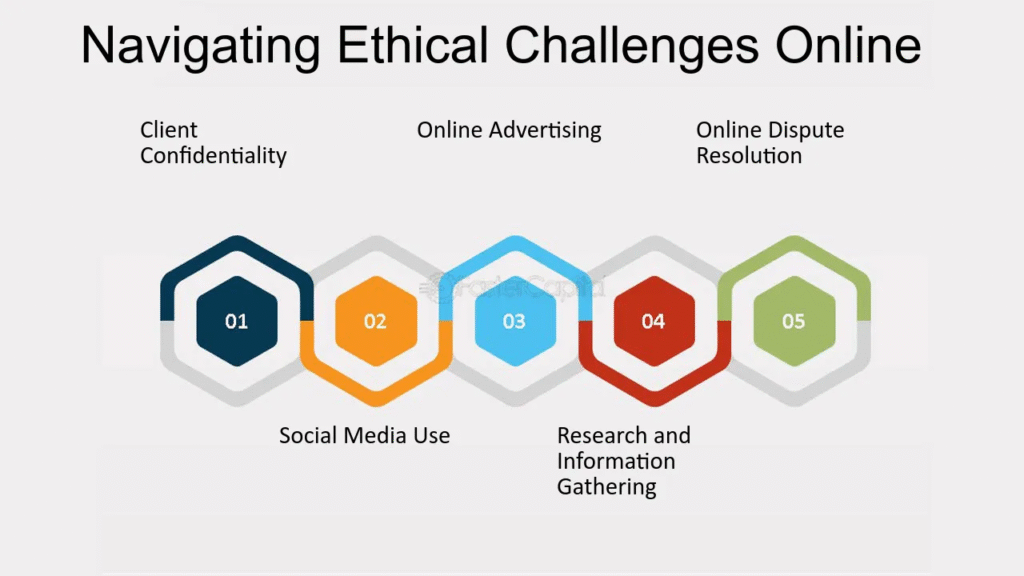
Data Security and Privacy
Training large AI models requires huge amounts of data, and the way that data is collected and used is under intense scrutiny. Concerns over data privacy are no longer abstract; they’ve become central to international policy and consumer trust. This pressure is compelling AI developers to be far more transparent and cautious about their data sources.
The Rise of Regulation
Governments worldwide, like the European Union with its AI Act, are classifying AI risks and setting clear ground rules. While some high-risk applications (like harmful manipulation) are being banned outright, the goal isn’t to stifle innovation. Instead, the focus is on creating transparency requirements for generative AI, like disclosing when content is AI-generated and ensuring models comply with copyright laws. This legislative push is essential for building a foundation of public trust, which is the only way AI can truly reach its full potential.
The Evolving Job Market: Augmentation, Not Annihilation
Perhaps the biggest question around AI is its effect on jobs. While repetitive, data-heavy roles are being automated (like data entry or some customer service functions), the demand for human skills like critical thinking, judgment, creativity, and emotional intelligence is soaring.
The trend in 2025 emphasizes augmentation. For instance, in fields like auditing or law, AI handles the exhaustive research and data analysis, allowing professionals to spend their time on complex client strategy and high-value decision-making. This naturally sparks a huge demand for upskilling—we must learn to work with AI, not against it. Investing in education to retrain employees to utilize these new tools will be the single most important factor for success for both individuals and organizations.
In Summary: The AI of 2025 isn’t just a clever piece of software; it’s a structural shift that enhances human capability. By partnering with intelligent agents, optimizing our operations, and proactively addressing ethical concerns, we are stepping into an era where innovation will move faster than ever before.
#Motivation #Inspiration #PositiveVibes #SuccessMindset #DreamBig #StayFocused #Carrerbook#Anslation#HardWorkPaysOff #BelieveInYourself #NeverGiveUp #MondayMotivation