
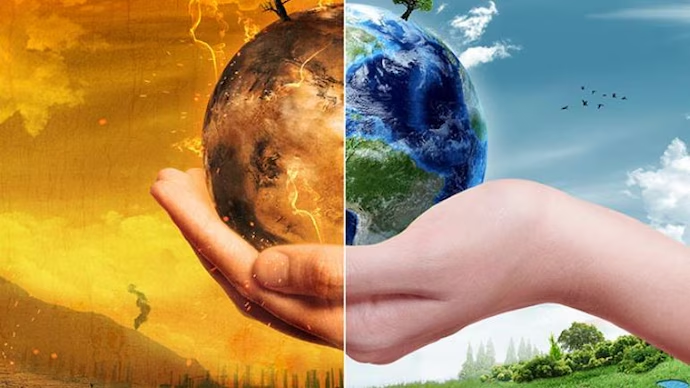
It seems as if each new season breaks an old record. We hear about climate change constantly, but sometimes the overwhelming amount of data and conflicting headlines make it difficult to understand where we really stand. We’re left wondering: Are things getting better, or are we just watching the clock tick faster?
That’s why the official reports released in 2025 are so important. They bring together thousands of studies from scientists around the world to provide the clearest picture yet of the current state of our planet. This isn’t just a dry scientific analysis; it’s a vital update of the most important story of our generation.
In this in-depth analysis, we’re going beyond the scary headlines. We’ll break down the three most important revelations from the 2025 global warming reports—the accelerating crisis, the energy turning point, and the personal implications—into simple, easy-to-understand points, so the conversation feels natural and human.
Let’s explore what the global scientific community is telling us right now, and more importantly, what these new data should inspire us to do next.
Part 1: The Intensifying Crisis and the Ticking Clock
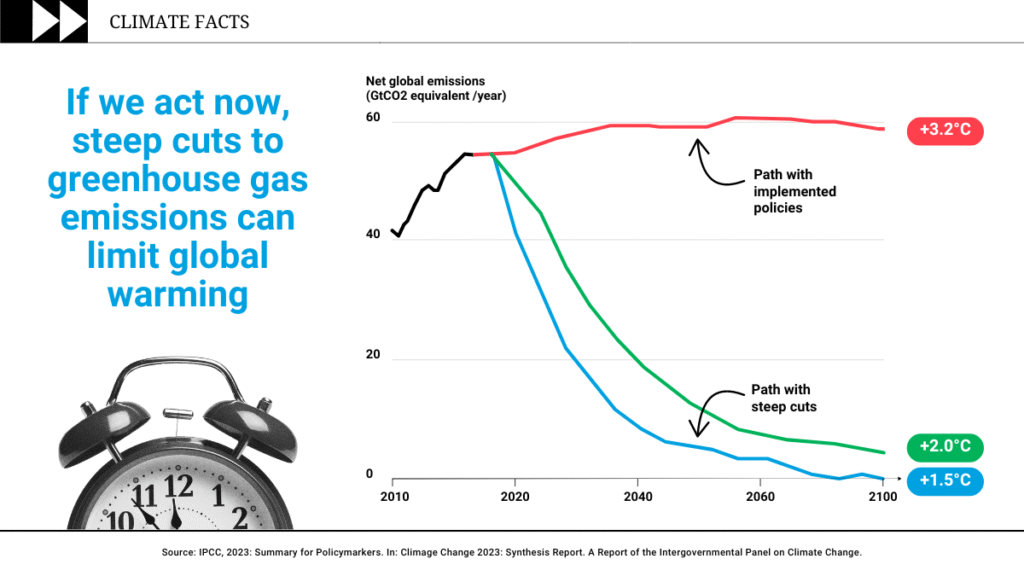
The most important message from the 2025 reports is that many important environmental changes are no longer occurring linearly; they are accelerating. This means that impacts we expected in 2050 are now visible in the 2030s or even today.
The 1.5°C limit: a fading target or a new reality?
For years, the global community has been monitoring the global average temperature rise compared to pre-industrial levels.1.5∘CThe focus was on keeping it below 100. The 2025 data shows something startling: we are no longer just approaching this line; we are regularly breaching it in short time intervals.
1.5∘CThink of it like the speed limit on a dangerous road. For a long time, we were driving too fast (let’s say,1.2∘C), but now, the engine is constantly at red-line. Reports emphasize that it’s not just about average temperatures, but about the frequency and intensity of the overheating events that come with them.
Fundamental Insight: Committed Warming
One tricky concept the report explains is “committed warming.” Even if every country met every climate pledge tomorrow, the planet would still continue to warm for decades. Why? The greenhouse gases we’ve already released into the atmosphere have long lifetimes. They will continue to trap heat, causing temperatures to rise slightly, even if immediate action is taken. This means that adapting to change is just as important as mitigating it. We must prepare for a future that is inevitably going to get warmer.
The Ocean’s Overloaded Heat Battery
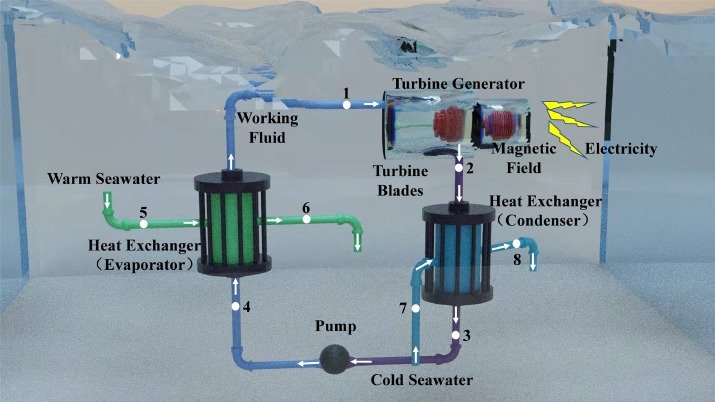
Land heats up quickly and cools down just as quickly. However, the ocean is the planet’s great sponge. More than 90% of the excess heat generated by global warming is absorbed and stored by the world’s oceans.
The 2025 reports include alarming new metrics on ocean heat content (OHC) . The amount of energy absorbed by the oceans is staggering—equivalent to several nuclear bomb explosions every second.
This isn’t just abstract data; this enormous heat transfer is the engine powering stronger, wetter, and faster-developing tropical storms, cyclones, and hurricanes.
When the ocean is supercharged with energy, it’s ready to release it in large, destructive bursts. This is the new normal for our coastlines.
Albedo effect: the white blanket is shrinking
One of the planet’s most important natural cooling mechanisms is the albedo effect —the ability of white surfaces like polar ice and glaciers to reflect solar energy back into space.
The 2025 reports highlight the rapid loss of Arctic sea ice and major glaciers around the world. This creates a devastating feedback loop:
- The snow melts (white).
- Deep water/land is exposed.
- Darker surfaces absorb more heat.
- More heat causes more ice to melt.
It’s like replacing your house’s white roof with a black one during a heat wave. We’re losing our planetary air conditioner, and science confirms that this process is progressing faster than earlier models suggested. In particular, melting glaciers are raising new concerns about immediate sea level rise and the long-term future of water security for millions of people.
Part 2: Turning Points of Hope—The Energy Revolution
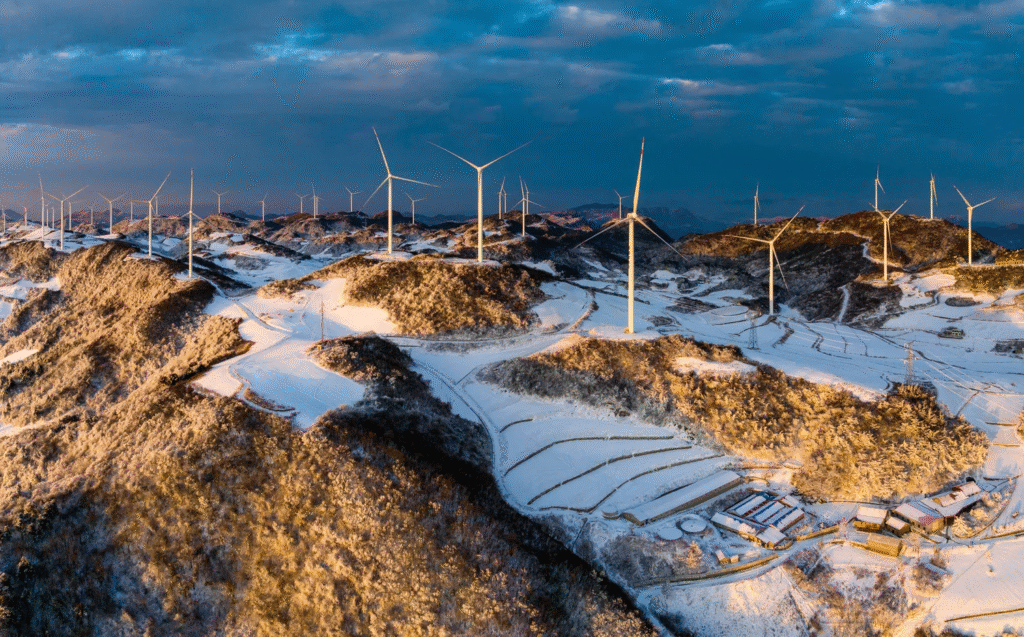
It’s easy to focus solely on the crisis, but the 2025 reports also offer important grounds for hope, rooted primarily in the global energy transition. The shift from fossil fuels to renewable energy is no longer an environmental initiative; it’s an unstoppable economic reality .
Solar and Wind: Now the Cheapest Electricity Sources
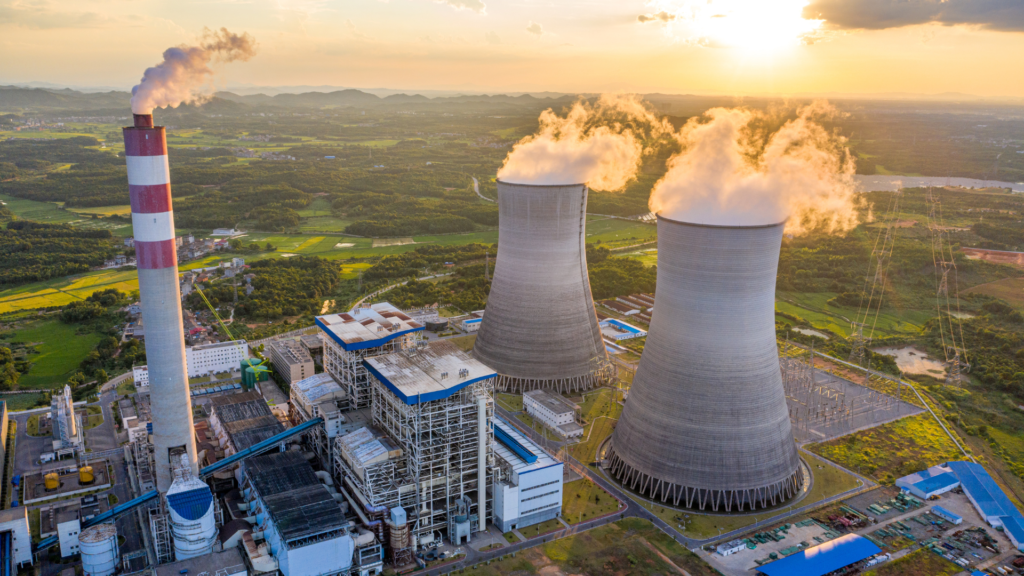
This is perhaps the biggest, most positive headline from the economic analysis: In many major markets around the world, building new solar and wind farms is now clearly cheaper than maintaining existing fossil fuel power plants .
- The old argument: renewable energy is too expensive and unreliable.
- New Reality: Due to the massive expansion of technology and intense competition, the price of clean energy has fallen faster than any model predicted. Reports show that renewable energy has reached a “turning point of economic viability .” This means that market forces, not just green policies, are driving the transition. Companies are choosing clean energy because it makes financial sense.
Relative example: “price parity” point
Imagine you have an old, gas-guzzling car that costs $25 per month to drive.₹50,000Suddenly, you can buy a new electric car with just $1 per month.₹30,000It costs $100 (including charging and maintenance). The choice becomes a simple economic decision, not a moral one. This is the state of the energy market right now, and data from 2025 confirms that this trend is accelerating globally.
Storage Solutions: Making Renewable Energy Reliable
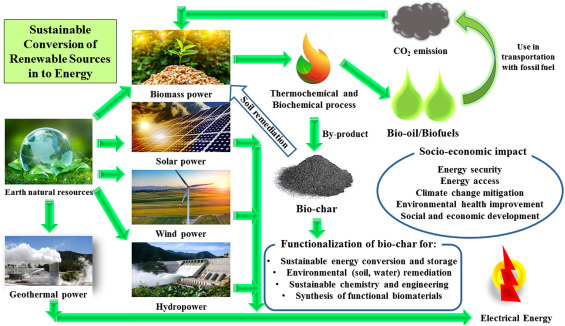
The traditional weakness of solar and wind has been their intermittency—what happens when the sun doesn’t shine or the wind doesn’t blow? The 2025 reports allocate significant space to the incredible advances in battery storage technology .
Utility-scale battery projects are rapidly expanding, making it possible to store electricity generated during peak solar hours and release it at night. This breakthrough is essentially “dispatching” renewable energy, making it reliable enough to completely replace coal and gas on a grid-wide scale. This technological leap is the backbone of optimistic forecasts for the next decade.
Global investment and capital shifts
A key finding in the financial sections of the reports points to an unprecedented shift in global capital. For the first time, major banks, sovereign wealth funds, and private investors are publicly shifting away from high-carbon assets and directing capital toward climate solutions.
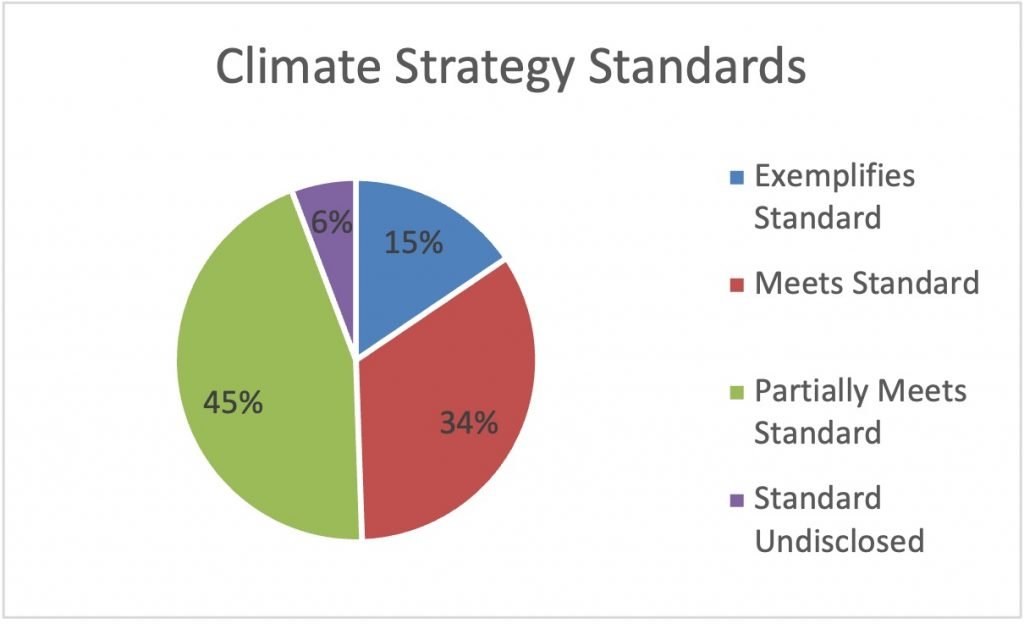
This isn’t just “greenwashing.” The data reveals the true nature of stranded asset risk —the danger that coal mines or oil fields will become obsolete before their expected lifespan due to government policies or market forces. Smart money is moving toward clean technology, creating a positive feedback loop that accelerates innovation.
Part 3: Human and Social Impact
Global warming reports aren’t just about megawatts and parts per million (ppm). They’re fundamentally about people . The 2025 findings underscore the growing social equity challenges and health impacts of a rapidly changing climate.
Disparate impact and climate justice
Reports confirm that the effects of heat are being felt most acutely by communities that have contributed least to the problem.
- Vulnerability: Low-income regions and developing nations, especially in the global South, are experiencing the most intense droughts, deadly heat waves and devastating floods.
- Equity gap: This raises important questions about climate justice —how developed nations will help vulnerable countries adapt to changes they didn’t make and ensure access to the clean technology needed to abandon fossil fuels. The conversation is shifting from “Should we take action?” to “How do we ensure the transition is just?”
The air we breathe: A co-benefit to celebrate
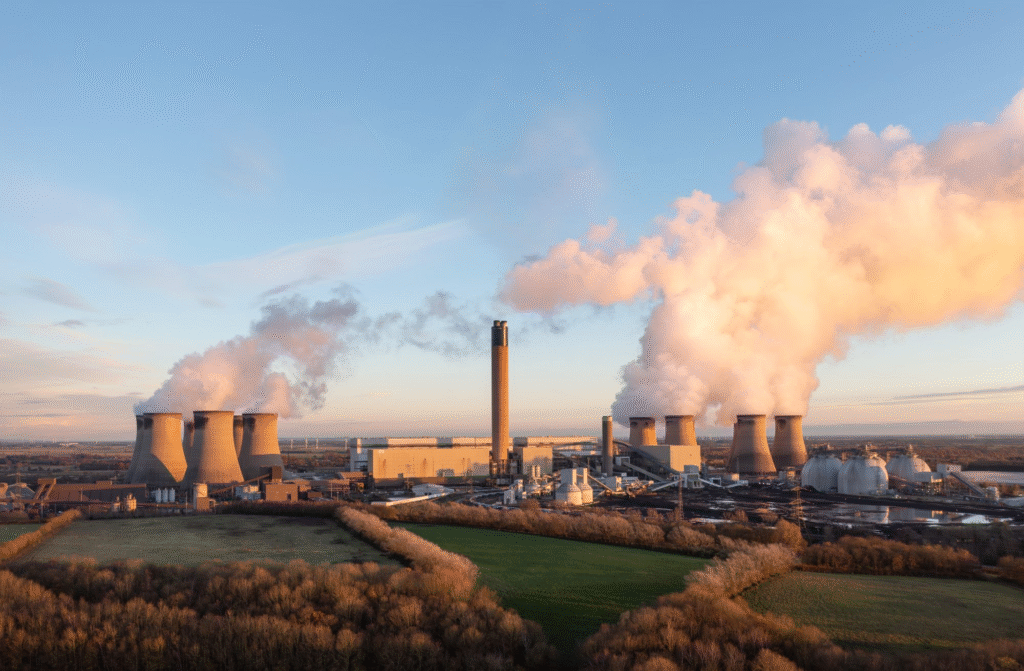
One clear positive co-benefit highlighted in the reports relates to public health. The push to move away from fossil fuels, particularly coal and diesel, is dramatically reducing air pollution in many urban areas.
- Relevant example: Converting an entire city’s bus fleet from diesel to electric not only reduces carbon emissions; it immediately improves air quality on street corners where children play and the elderly walk. Science shows that simply continuing the energy transition could prevent millions of premature deaths linked to air pollution over the next decade. This immediate, tangible benefit gives communities a powerful reason to support climate action today.
Water security: the new global crisis point
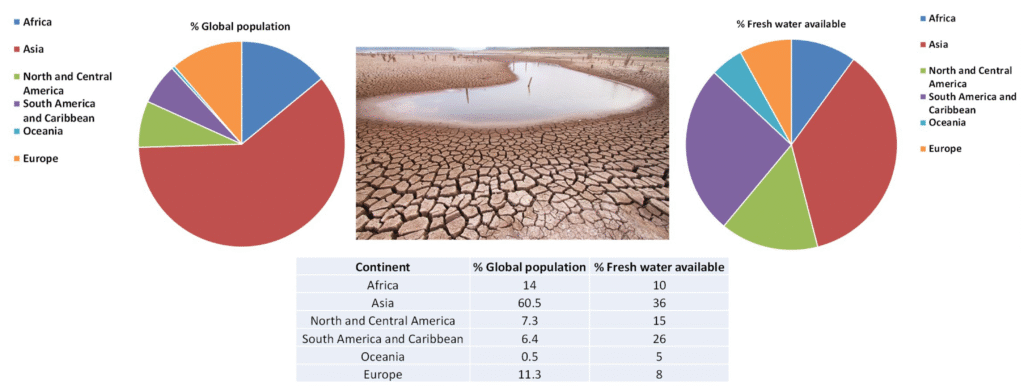
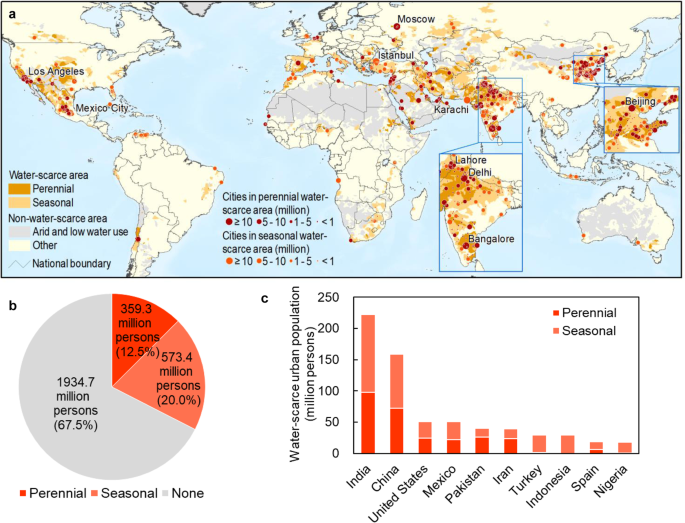
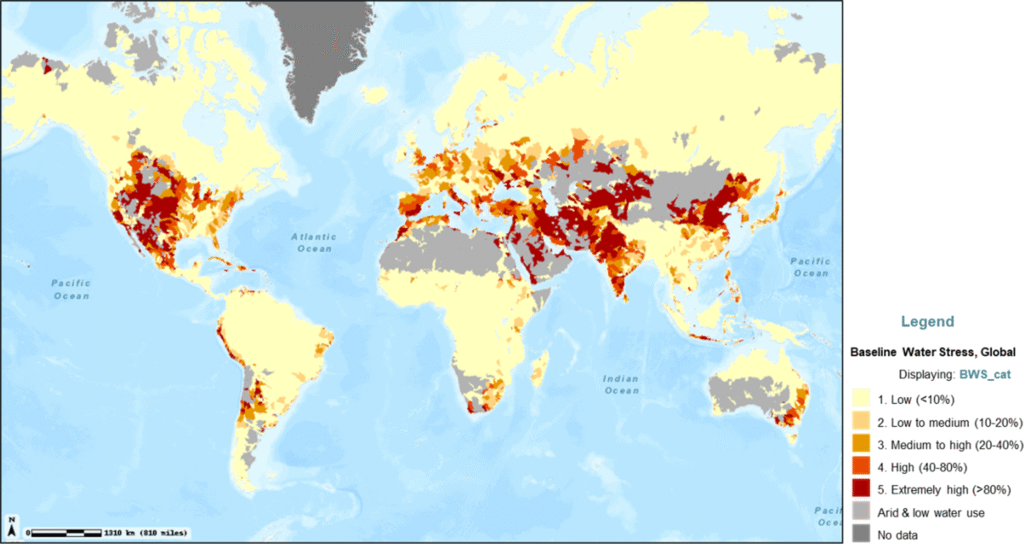
The 2025 reports provide a deeply worrying update on water. The combination of melting glaciers, changing rainfall patterns, and increasing evaporation is dramatically altering the availability of freshwater for agriculture and major cities.
- Change: We are moving from a world with predictable water resources to a world where it is either too much (massive floods) or too little (prolonged droughts).
- Adaptation is key: This means that water management is now a core climate challenge. Securing food supplies and avoiding social instability requires major investments in drought-resistant crops, new infrastructure to capture floodwaters, and innovative water recycling technologies.
Final Conclusion: From Data to Action
If there’s one overarching theme in the 2025 global warming reports, it’s this: The world is changing faster than ever before, both destructively and constructively. The threats are more immediate, but the solutions are also more powerful and more affordable than ever before.
The scientific community has delivered its verdict. Now, the pace depends entirely on human action.
What does this mean for the person
It’s easy to feel paralyzed by the scale of the crisis, but reports suggest that individual and collective actions radiate outwards.
- Be an informed advocate: Understand the economic viability of clean energy . Talking about solar, wind, and heat pumps as cost-saving measures is often more effective than focusing solely on gloom and doom.
- Vote for the future: Support local and national policies that accelerate the construction of clean infrastructure and protect natural ecosystems (such as forests and wetlands, which are important carbon sinks).
- Conscious consumption: Where possible, shift consumer habits toward products and services with a lower carbon footprint. Every purchase decision sends a signal to the market.
The next decade
The next five to ten years are a decisive decade . The 2025 reports are not just a historical record; they are a direct instruction manual. They tell us precisely where the threats lie (heat intensification, ocean crisis) and where the paths to success have already been proven (cheap renewables, battery storage).
The challenge is no longer one of possibility; it is one of speed and will .
We have the technology. We know the science. Now, it’s up to us, as a global community, to find the collective courage and determination to match the pace of the crisis with the speed of our solutions. A sustainable planetary future is an outcome we can still secure, but only if we treat this report as the urgent call to action it is.
| Environmental Issue | Recent Developments / Current Status | Key Impacts |
| Climate Change / Global Warming | Greenhouse Gas Levels at Record Highs: Atmospheric concentrations of CO2, methane, and nitrous oxide reached new highs in 2023. | Drives more intense and frequent extreme weather (heatwaves, droughts, floods, hurricanes). Leads to melting glaciers/ice sheets and rising sea levels. |
| Ocean Health & Marine Ecosystems | Unprecedented Ocean Warming/Marine Heatwaves: Unprecedented warming in regions like the South-West Pacific and frequent marine heatwaves off the UK and Irish coasts. | Disrupts the ocean’s carbon cycle (carbon sequestration). Causes coral bleaching and damages food webs, threatening coastal infrastructure and economies. |
| Biodiversity Loss | Accelerating Sixth Mass Extinction: One million species are threatened with extinction. Agriculture is the primary driver of biodiversity loss. | Loss of species and ecological balance. Risks pollinator loss (threatening up to $577 billion in annual crop production) and undermines food security. |
| Air Pollution | Major Global Health Crisis: Air pollution accounted for 8.1 million deaths globally in 2021 (second leading risk factor for death). | Causes severe respiratory illnesses and other health problems, including links to dementia. Outdoor air pollution is largely from industrial sources and motor vehicles. |
| Water Scarcity & Flooding | Global Water Crisis: Satellites reveal a hidden global water crisis worse than melting ice. Flood risks are increasing in various regions, often linked to extreme weather. | Leads to food and water insecurity for millions. Can trigger “Day Zero” droughts in urban areas and results in fatal floods and landslides in regions like South Asia. |
| Pollution (Plastic, Chemicals) | New Recycling and Degradation Research: Breakthroughs in recycling ‘forever chemicals’ and development of plastic that “eats” carbon show innovation. | 11 million metric tons of plastic enter the ocean annually. Leads to soil degradation, ocean acidification, and exposure to metals and hormone-disrupting substances. |
| Deforestation & Land Degradation | Forests continue to shrink: Over 80 million hectares of global forest have shrunk since 1990. Land clearing for agriculture and livestock is a leading cause. | Releases stored carbon back into the atmosphere, contributing to climate change. Around 3.2 billion people are adversely affected by land degradation. |
Key Takeaways for 2025
- Climate Urgency: The consensus from major reports (like the Emissions Gap Report) is that the world must deliver dramatically stronger climate action in new pledges (Nationally Determined Contributions – NDCs) in early 2025 to keep the 1.5∘C goal alive.
- Interconnected Crises (The “Triple Planetary Crisis”): The primary global environmental challenges are increasingly viewed as interconnected crises: climate change, pollution, and biodiversity loss.
- Technological Focus: Research and development are focusing on solutions like recyclable/healable electronics, carbon-eating materials, and using new technologies (like AI) to predict flooding and improve climate resilience.
- Regional Vulnerability: Reports highlight that regions like Asia and the South-West Pacific are warming faster than the global average, leading to heightened regional impacts.
#ClimateActionNow#GlobalWarming#ClimateCrisis#EarthReport#Sustainability#SaveOurPlanet#2025Reports#RenewableEnergy#CleanPower#SolarEnergy#GreenFuture#EnergyTransition#ClimateSolutions#TechForGood